

Silver jewellery naturally tarnishes over time, leaving it looking dull and dark. The good news is that you can clean silver jewellery at home using common household items like dish soap, baking soda, and warm water.
Don’t worry, we have good news for you: you probably have everything you need at home already. And most silver, including 18KTT gold micron plated silver, can be brought back to life in under ten minutes.
This guide explains the safest cleaning methods for sterling silver and 18kt gold-plated silver jewellery. Here's how to clean silver jewellery in practical ways.
Why Does Silver Tarnish?

Image Source: Pexels
Silver reacts with sulphur in the air, which further, forms silver sulphide on the surface of the jewellery piece and then requires clean sterling silver jewellery. That's the dark layer you're seeing. It's not damage, it's actually oxidation and humidity speeds it up. So does exposure to perfume, sweat, chlorine, and certain foods.
Gold-plated silver (like the 18kt gold micron pieces from Self Love Jewels) has a very prominent protective gold layer over its silver base. Keeping that layer intact is necessary, so then it won't tarnish the same way bare silver does.
How to Clean Tarnished Silver Jewellery: 3 Easy Methods
Now, let’s take a look at the different methods of cleaning jewellery and how to remove tarnish from silver.
1. How to Clean Silver Jewellery with Dish Soap
A go-to method for cleaning, this is a gentle and safe way for most silver, and genuinely effective for light tarnish.
• First, just fill a small bowl with lukewarm water
• Next, you need to add 2–3 drops of mild dish soap (avoid anything with lemon or harsh chemicals)
• Simply soak the piece for 5–10 minutes
• Gently scrub with a soft toothbrush, especially around settings, engravings, and chains
• Rinse thoroughly with clean water
• Pat dry with a soft lint-free cloth. Don't rub aggressively
• Leave it to air dry completely before storing
Do this once a week if you're wearing the piece daily. It keeps tarnish from building up in the first place.
2. How to Clean Tarnished Silver with Baking Soda
At times, warm water isn't enough, and you need something much stronger. In this case, baking soda is your next step. Just a mild abrasive that gently lifts tarnish without scratching it aggressively.
• Start with mixing the baking soda with enough water, this forms a thick paste
• Gently apply to tarnished areas with a soft cloth or just use your fingertip
• Now you can easily rub in small circular motions, don't press too hard
• Leave for 2–3 minutes on heavily tarnished spots
• Rinse thoroughly. Baking soda leaves a residue if you rush this step
• Dry completely with a soft cloth
Don't use this on gold-plated pieces more than once a month, the abrasive quality can wear the plating over time with repeated use. For gold micron plated jewellery, stick to Method 1 as your regular option.
3. How to Remove Heavy Tarnish from Sterling Silver
This one sounds like a chemistry experiment and sort of is but it works well for solid sterling silver pieces.
• Line a bowl with aluminium foil, shiny side up
• Place the silver piece directly on the foil, it needs to touch it
• Sprinkle 1 tablespoon of baking soda over the piece
• Pour boiling water over everything until submerged
• Watch the tarnish transfer to the foil, it actually moves
• Remove after 5–10 minutes with tongs
• Rinse well and dry completely
This works through an electrochemical reaction that reverses the tarnishing process. It's effective but use it sparingly, once every few months at most for heavily used pieces.
Do not use this method on gold-plated silver, pieces with glued-in stones, or anything with a patina you want to keep.
What NOT To Do
As important as the cleaning methods, here's what regularly damages jewellery:
Don't use toothpaste
Toothpaste is too abrasive for most silver finishes and will scratch the surface over time. It also gets into crevices and dries, which causes its own problems.
Don't soak gold-plated pieces for long periods
Prolonged soaking can work underneath the plating and loosen it from the base metal. Quick washes are better than long soaks.
Don't clean with paper towels or rough cloths
Paper fibres are coarser than they look and will leave micro-scratches on polished silver surfaces. Always use a soft microfibre or jewellery cloth.
Don't clean pieces with certain stones using water
Some of the jewels such as pearls, turquoise, coral, malachite, opals are porous and water can damage them or cause severe colour change. Wipe these particularly with a dry soft cloth only.
Don't spray perfume after putting your jewellery on
Perfume is one of the quickest ways to tarnish silver. Always put jewellery on last, after perfume, lotion, and hairspray have fully dried.
How to Store Silver Correctly?
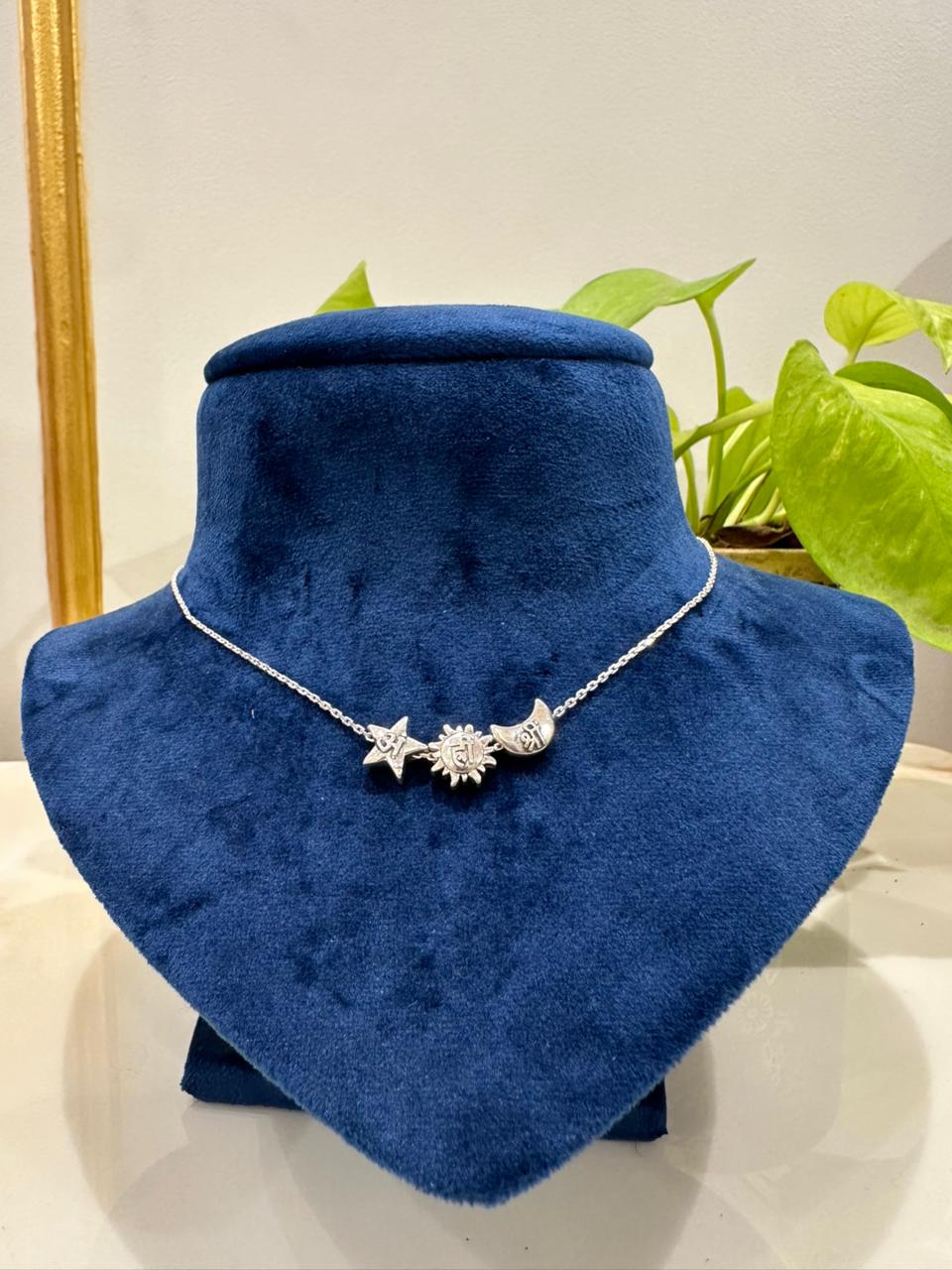
Most tarnish happens in storage, not during wear. Here's how to slow it down:
• Store each piece separately, silver scratches easily when pieces knock against each other
• Use anti-tarnish pouches or cloth, these absorb sulphur from the air before it reaches the metal
• Keep a piece of chalk or a silica gel packet in your jewellery box as both absorb moisture
• Avoid storing in the bathroom, the humidity accelerates tarnishing significantly
• For pieces you don't wear often, wrap them individually in acid-free tissue paper before storing
How to Care for SelfLove Jewels Pieces
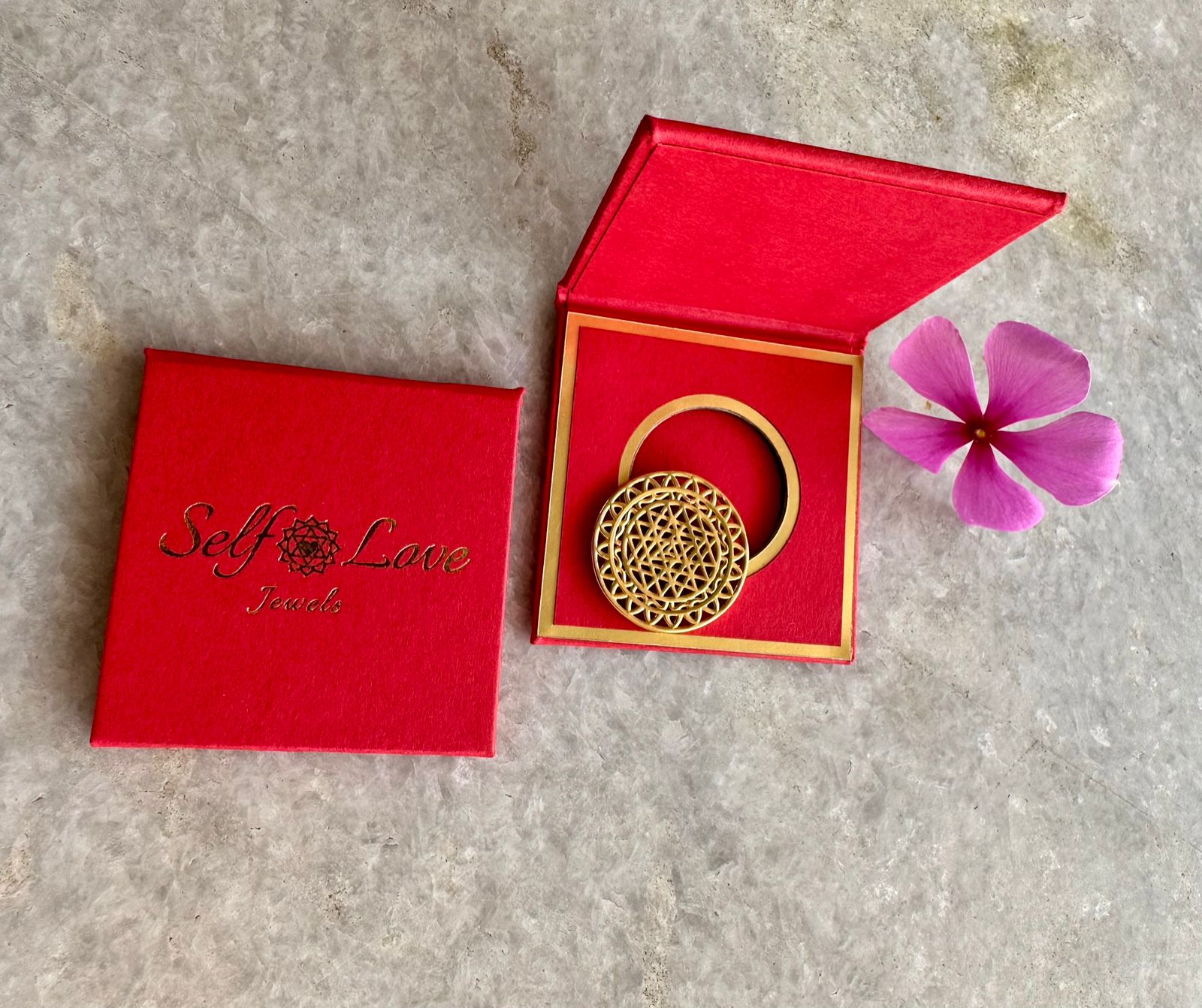
Our pieces are made from sterling silver with 18kt gold micron plating. A few specific notes:
• The gold micron layer will last significantly longer if you avoid harsh chemicals, perfume contact, and rough abrasives
• Use Method 1 (dish soap and water) as your regular cleaning routine, it's enough
• Remove before swimming, showering, and the gym, chlorine and sweat are the two biggest enemies of plated silver
• The sacred geometry engravings on some pieces attract more grime than flat surfaces, a soft toothbrush with soapy water handles this well
FAQs
1. How often should I clean my silver jewellery?
If you wear it daily, once a week with mild soap and water. If you wear it occasionally, clean it before wearing and after, then store properly. More importantly, clean it immediately if you notice any build-up.
2. My jewellery turned my skin green. Is that normal?
It can happen with some base metal alloys, especially when combined with sweat or moisture. It's not harmful but if it's happening, you should contact the place of purchase.
3. Can I use silver polishing cloth on gold-plated pieces?
Standard silver polishing cloths are mildly abrasive and not ideal for gold-plated surfaces. Use a plain soft microfibre cloth instead.
4. Can vinegar clean silver jewellery?
Yes, vinegar can clean silver jewellery and remove light tarnish, but it's best used only on sterling silver jewellery. Avoid using it on gold-plated jewellery or pieces with delicate gemstones.
5. Can toothpaste damage silver?
Yes. Toothpaste is abrasive and can scratch silver jewellery or wear down gold plating. Use mild dish soap or a soft jewellery cloth instead.
6. Why does silver turn black?
Silver turns black due to a natural reaction with sulphur in the air, forming tarnish. Moisture, perfume, and sweat can speed up this process.
7. Can baking soda damage sterling silver?
Baking soda is safe for cleaning sterling silver jewellery when used occasionally. However, avoid frequent use on gold-plated pieces as it can wear the plating.
8. How do jewellers clean silver?
Jewellers use professional polishing cloths, ultrasonic cleaners, and silver cleaning solutions to safely remove tarnish from silver and restore its shine.
9. Does lemon juice clean silver?
Lemon juice can remove light tarnish, but its acidity may dull silver over time. For regular silver jewellery care, use mild soap and warm water instead.
10. How do I stop silver jewellery from tarnishing?
Store silver jewellery in an airtight or anti-tarnish pouch, keep it dry, avoid perfumes and chemicals, and clean it regularly with mild soap and water.


